
A voice on the phone says your son is hurt and needs bail money. It sounds exactly like him. That is the trap. Scammers can now copy a person’s voice from a short video or voicemail. They use that fake voice to create panic and demand fast payment. This guide shows you how to slow down and verify the caller. The same tactics show up in AI deepfake video scams, so the skills here carry over.
Voice cloning is no longer a distant threat. The FTC reports that imposter scams cost U.S. consumers about $2.7 billion in 2023. Many of those scams now use AI voice clips to impersonate family members, employers, or bank staff. A cloned voice can mimic tone, accent, and even emotional distress. That makes the familiar advice about checking caller ID less reliable. You need a verification plan that works even when you are scared.
A scammer needs very little audio to build a clone. In many cases, three to ten seconds of clear speech are enough. That sample can come from a public TikTok, a YouTube clip, a voicemail greeting, or a spam call where you answered and spoke. Once the model is trained, the scammer can type words and have that voice say anything. If you have not already set up a family code phrase, you can still use other checks. The how to verify AI vs human guide explains more cross-checks.
The goal of this guide is simple. Make it normal to pause, verify, and say no to pressure. Urgency is a tool, not proof. You will learn concrete steps, including what to ask, when to hang up, and how to report the attempt. If you do send money, move fast to limit damage. Start with report AI scam step-by-step to file the right reports.
What You’ll Need
- A planned family code phrase
- Saved contact numbers for family and official services
- Access to your bank or payment app
- FTC and FBI IC3 reporting pages
How Do You Spot an AI Voice Cloning Scam Before You Lose Money?
- Pause and refuse the urgency
Scammers want you to act before you think. A fake emergency works because fear suppresses normal judgment. The first move is simple: do not make a payment during the first call. Say you need to check something and hang up. This does not make you a bad person, even if the voice sounds terrified. It makes you harder to scam.
Real emergencies do allow a few minutes for verification. A caller who screams at you to stay on the line or keep the call secret is using pressure. Breathe, write down the exact request, and set a five minute timer before taking any action. That pause alone blocks many voice cloning attempts.
The FTC advises people to resist high pressure pitches and verify emergencies through another channel. Scammers often invent a story like a car accident, arrest, or kidnapping. They may include background noises like crying or sirens. Those sounds can also be faked. The right response is not to argue. The right response is to end the call.
If the request involves a payment method that cannot be reversed, treat that as a red flag. Gift cards, wire transfers, cryptocurrency, and cash withdrawals are favorites. A pause gives you time to look for other signs covered in the next step. If the call came through email or text first, review AI phishing emails to see how the setup may have started.
- Use a prearranged code phrase
Create a family emergency code phrase before any crisis happens. It should be strange enough that no one would guess it from public posts. Examples include ‘blue kettle on Tuesday’ or ‘pickle shoes at midnight.’ Everyone in the household must know it. When you receive an urgent voice call claiming to be family, ask for the code phrase immediately.
A real family member will say the phrase. A cloned voice may pause, ignore the question, or get angry. Scammers usually do not know private code words. They may try to distract you by repeating the emergency or crying louder. Do not accept emotional noise as an answer. If the caller does not give the correct phrase, end the call.
For people who have not set a code phrase yet, ask a private question instead. Pick something that is not on social media and not easy to guess. Ask what you ate together last weekend, the name of a first pet, or where a specific item is kept in the house. A voice clone can sound like your loved one, but it cannot know private family history.
If you have older relatives, help them set up a code phrase now. Write it on paper and place it by their phone. The protect elderly parents from AI scams guide has more family setup ideas. Make the code phrase visible to trusted people only, not posted on the refrigerator for guests to see.

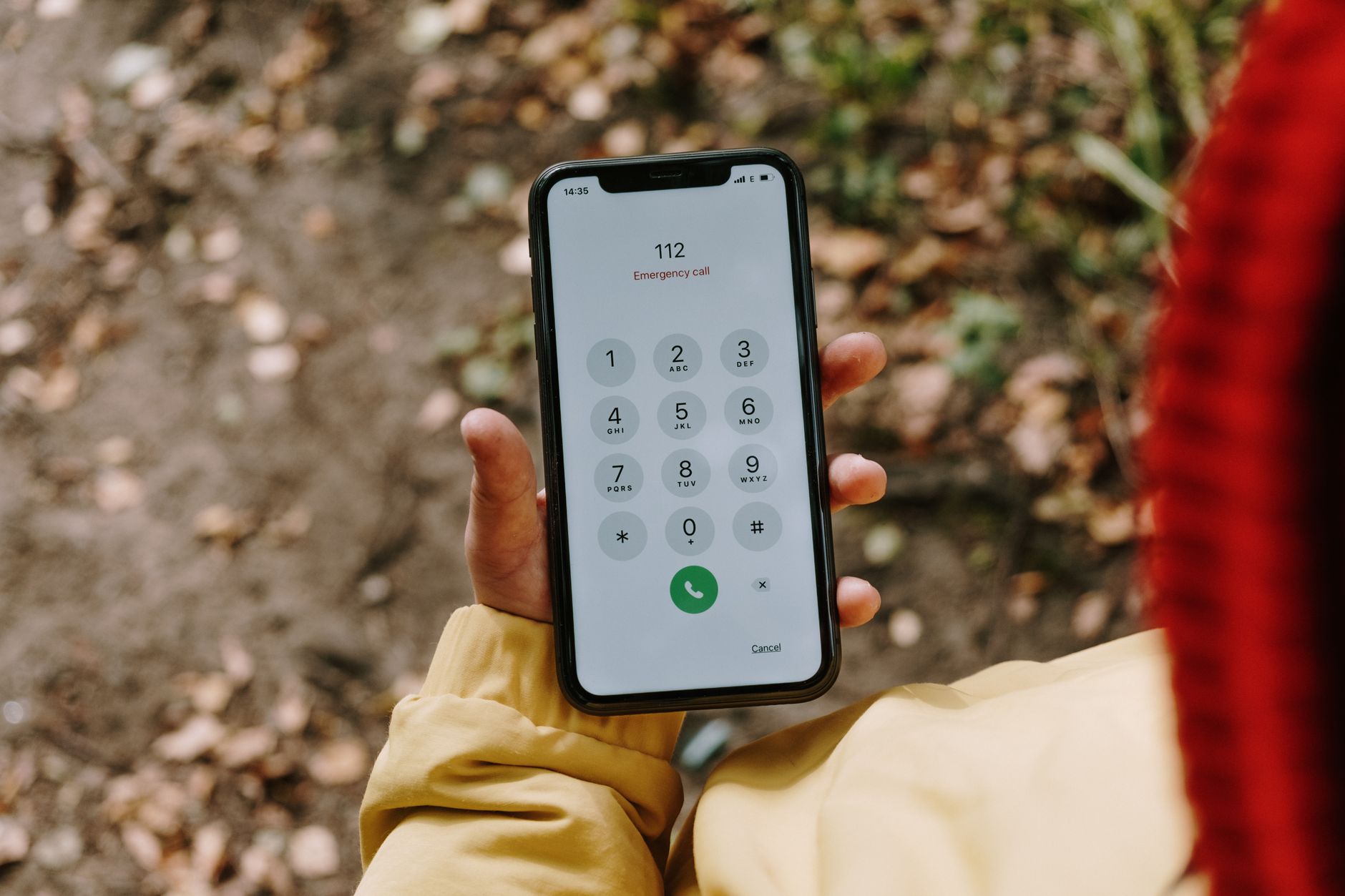
- Hang up and call back on a known number
Always make the return call yourself. Use the contact saved in your phone, not the number that just called you. If the caller claims to be from a bank or police department, find the official number on your statement or the agency website. Scammers can spoof caller ID to display any number they want, including a family member’s number.
When you call the real person back, ask them directly if they just called. If they answer and say they are fine, the emergency was fake. If they do not answer, try another trusted person who can physically check on them. Do not leave a message that asks the scammer to call you back.
A short pause also reveals technical glitches. Voice cloning tools can produce odd hesitations, mismatched emotion, or background noise that cuts in and out. These are not reliable on their own, but they are useful when combined with a call back. For video call requests, the AI deepfake video scams guide explains what to check on screen.
This step also protects you from pressure. A scammer may say the number on file is old or that you must stay on the line. That is a test. Real organizations allow you to call back through a verified channel. A family member will understand why you are checking.
- Request live proof that cannot be pre-recorded
Ask the caller to perform a live action. Give them a random word or short phrase and ask them to repeat it. The word should be something you choose in the moment, like ‘sparrow’ or ‘red mailbox.’ A pre-recorded clone may not be able to follow a new instruction cleanly. A real person can.
If you are on a video call, ask them to hold up the current date written on paper or show the room they are in. Cloned audio can be paired with frozen video or masked faces. The AI deepfake video scams article covers visual tells. You can also ask them to pan the camera or step outside.
Do not rely on voice quality alone. Some cloned voices are very convincing, especially in short calls. Instead, use the content of what they say. A real loved one can answer specific questions about shared history. A scammer will often repeat generic lines like ‘I need help’ without adding new detail.
If the caller cannot complete the live proof, hang up. You are not obligated to stay on a call that feels wrong. A legitimate emergency may still be handled by calling 911 or another family member. Your first job is to avoid sending money to a fraudster.
- Verify the story through a separate channel
Never use the same number or message thread that the caller controls. If the voice call came in, verify by text, a family group chat, or a different app. If the person claims to be in a hospital, call the hospital main line yourself and ask. If they claim to be arrested, call the local police non-emergency line.
A second channel cuts the scammer’s control. They can fake a voice, but they cannot be in two places at once. If your son is supposedly in jail, a real call to the jail will confirm it. If your daughter is supposedly stranded, a location sharing app can show where she is. Use facts, not feelings.
Scammers often ask you not to tell anyone because the situation is embarrassing or urgent. That instruction is a major warning sign. Real family emergencies involve trusted people. Tell a spouse, a neighbor, or a friend what is happening and ask them to help you check. The AI romance scam red flags guide shows how isolation tactics work in other scams.
This step also helps when the fake emergency targets a parent or grandparent. If you get a call about a grandchild in trouble, call the grandchild’s parent first. Create a family rule that money requests require two person confirmation. No single voice call should be enough to move large amounts.
- Report the attempt and freeze what you must
If you have not sent money, still report the scam attempt. Early reports help law enforcement spot patterns and warn others. File a complaint with the FBI IC3 if the call involved internet based voice cloning. You can also report to the FTC or use the BBB Scam Tracker. Each report builds a picture of how these scams spread.
If you did send money, call your bank or payment app immediately. Ask for the transaction to be reversed or flagged as fraud. The faster you act, the better the chance of recovery. For identity theft concerns, open a recovery plan at IdentityTheft.gov. You may also want to freeze credit protect against AI identity theft if the scammer received enough personal data.
Save every detail for the report. Write down the phone number, time of call, exact words, payment method, and any account names. Do not delete voicemails or messages. Law enforcement may not recover your money, but the information can prevent the next family from falling for it.
Involve trusted family members in the reporting process. The report AI scam step-by-step article walks through what to expect. A scam can feel violating, but reporting is a concrete action that helps you regain control.
- Harden your voice footprint and family plan
Reduce the raw material a scammer can use. Set your social media profiles to private where possible. Remove old voicemail greetings that include your voice, or replace them with the automated default that says only your number. Avoid posting long voice notes or videos with clear speech on public accounts.
Create a family emergency plan that works for everyone, including older adults and children. The plan should include the code phrase, a list of official numbers, and a rule that no urgent money transfer happens without a second check. Review it every few months. The protect elderly parents from AI scams guide can help you adapt the plan for seniors.
Limit what you share with unknown callers. If a stranger calls and asks questions like ‘Can you hear me?’ or ‘Is this [name]?’, avoid saying yes or repeating your name. A short clear word like ‘speaking’ is safer. Some scammers record your voice and use it to authorize accounts or train a clone.
Finally, discuss the scam with your people before it happens. A calm conversation today is easier than a panicked call later. Explain that AI voice cloning exists and that the family will always use a code phrase. This makes the verification routine feel normal, not like a personal attack.
Red Flags & Warnings
- 🚨 Never send money through gift cards, crypto, or wire transfer just because a voice on the phone says it is an emergency.
- 🚨 Do not call back the number that just called you. Use a saved or official number and dial it yourself.
- 🚨 A secret emergency is a trap. Tell someone else immediately and ask for a second opinion.
- 🚨 Do not share verification codes, one-time passwords, or remote access to your device with anyone who calls unexpectedly.
- 🚨 A flawless voice is not proof. Verify content, not sound.
- 🚨 If a caller refuses to answer a private question, hang up. Do not wait for more proof.
Frequently Asked Questions
How can a scammer clone my voice from one voicemail?
AI tools need only a few seconds of clear speech to copy tone and pacing. A public voicemail greeting is an easy sample. Switch to an automated greeting or keep your recording short and generic.
What should I do if I already sent money to a voice cloning scam?
Call your bank or payment app immediately and ask to flag the transaction. Then file reports with the FTC and FBI IC3. If you shared personal data, visit IdentityTheft.gov and consider freezing your credit.
Can AI clone a child's voice?
Yes. A short video from a school play or sports event can provide enough audio. Ask private questions only the real child would know and call a known parent or teacher to verify.
Is caller ID enough to trust a call?
No. Scammers spoof caller ID to show a family member’s number or a trusted business. Always hang up and dial the saved number yourself.
Are there laws against AI voice cloning scams?
Fraud, wire fraud, and identity theft laws can apply even when the voice is fake. In the U.S., the FTC can bring cases against deceptive practices. State laws are also changing.
How do I protect an older parent from these scams?
Set up a family code phrase, write it by the phone, and explain that no urgent money request should be completed without a second family member. Review privacy settings and report any suspicious calls.
What Should You Remember?
- Pause first: End the call before you send money. Urgency is a manipulation tool.
- Use a code phrase: Ask for a private family code word before trusting any emergency voice.
- Call back yourself: Dial a saved or official number. Never return the number on your caller ID.
- Verify with live proof: Ask for a random word, private detail, or a quick video action.
- Report quickly: File with the FBI IC3 and the FTC to help stop the pattern.
- Harden your audio: Limit public voice recordings and use an automated voicemail greeting.
This article is for general educational information only and is not legal, financial, or professional security advice. Scam tactics evolve quickly, so verify current guidance with official sources like the FTC, FBI IC3, or CISA before acting. Some links may be affiliate links that support this site at no cost to you.